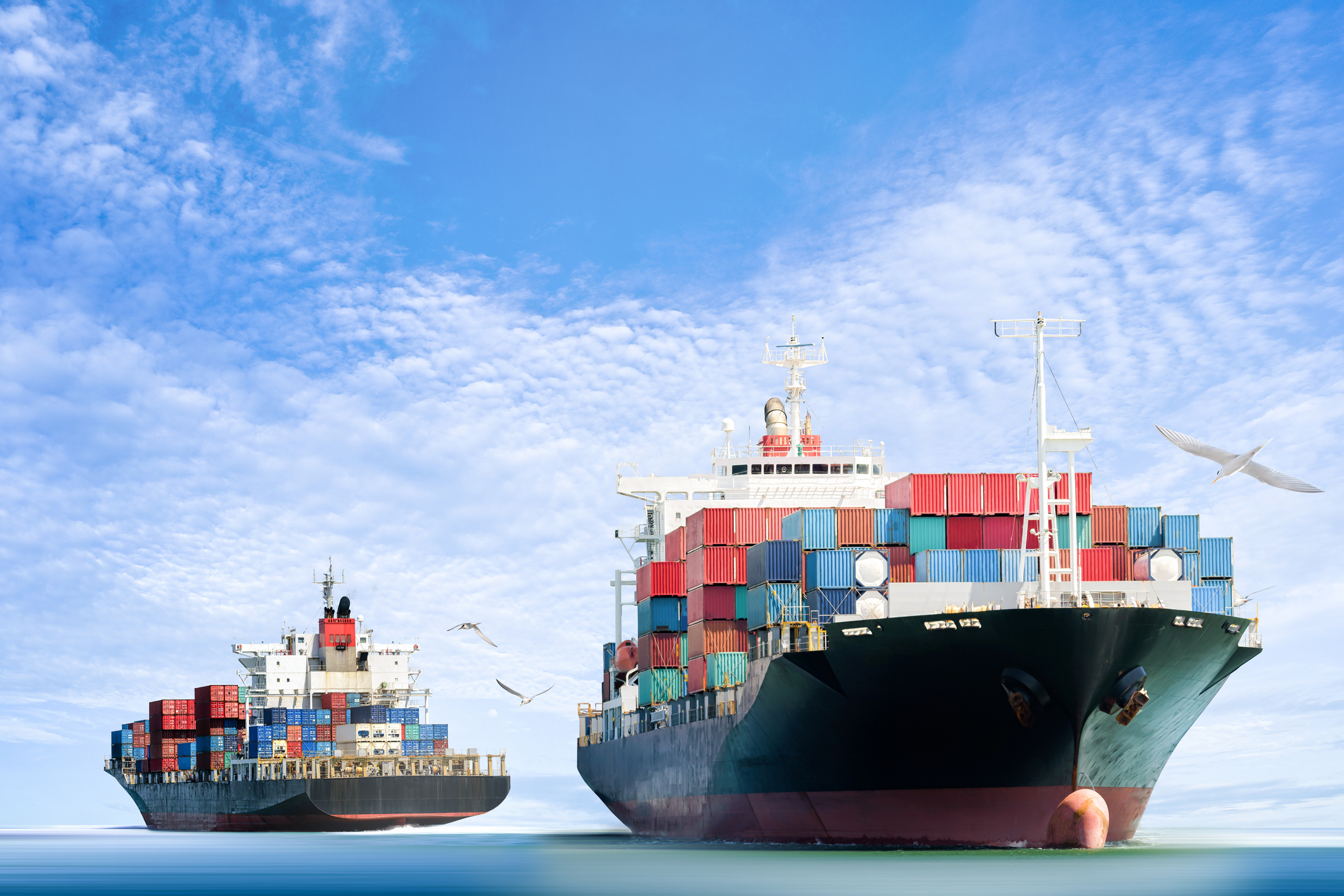
WASHINGTON, D.C.—Growth Energy, the nation’s largest biofuel trade association, welcomed the release today of a new report by the National Lab of the Rockies (NLR), “Evaluation of Ethanol Use in Marine Shipping,” that demonstrates ethanol’s technical, economic, and environmental potential as a viable, low-carbon fuel for ocean-going vessels.
“This report makes it clear that the American ethanol industry could have a potentially transformative impact on the maritime sector,” said Growth Energy CEO Emily Skor. “The things that make ethanol such an attractive option as a fuel for ships are the same things that make it vital as a fuel for light-duty vehicles—lower emissions, cost competitiveness, and scalability. We thank NLR for its critical work outlining the ways in which ethanol can meet the needs of today’s shipping sector and look forward to working with our members and the entire industry to secure ethanol’s global future as a marine fuel.”
“Ethanol has advantages that few other potential marine fuels do. Its robust compatibility with methanol infrastructure, its overall scalability, and its environmental benefits make it uniquely suited to help the shipping sector achieve its goals,” said NLR Senior Research Fellow and author of the report Robert McCormick. “We hope this research paves the way for greater collaboration between ethanol producers and shippers, and that it encourages further study to fully grasp the impact ethanol could have in maritime applications.”
“The marine fuel market is key to new growth for ethanol,” said U.S. Grains and BioProducts Council (USGBC) President and CEO Ryan LeGrand. “Even modest adoption could create billions of gallons of new demand, providing another long-term market for corn growers while helping the shipping industry reduce emissions.”
The report details the many advantages ethanol offers when used as a fuel for ships, including:
- Molecular similarity to methanol: “Large dual-fuel methanol engines can operate on ethanol with no changes.”
- Lower emissions: “A cited study estimated U.S. corn ethanol at approximately 51.4 gCO2eq/MJ, about 46% lower than petroleum fuels, with additional reductions possible through carbon capture and sequestration.”
- Lower toxicity: Ethanol has “lower human toxicity” compared to other marine fuels, and in the event of a spill, “rapid dissolution and low bioaccumulation [of ethanol] reduce long-term environmental persistence compared to conventional oil spills.”
- Abundant supply: “The United States has about two billion gallons per year of idled production capacity (nearly six million mt).”
- Energy density: “Ethanol has approximately 35% higher energy content than methanol…”
The report also identifies marine shipping as a potentially significant market for ethanol producers, estimating that the currently operating methanol dual-fuel fleet alone could consume roughly two billion gallons of ethanol annually under high-substitution scenarios.
NLR prepared the report with support from Growth Energy and USGBC. Read the full report here.