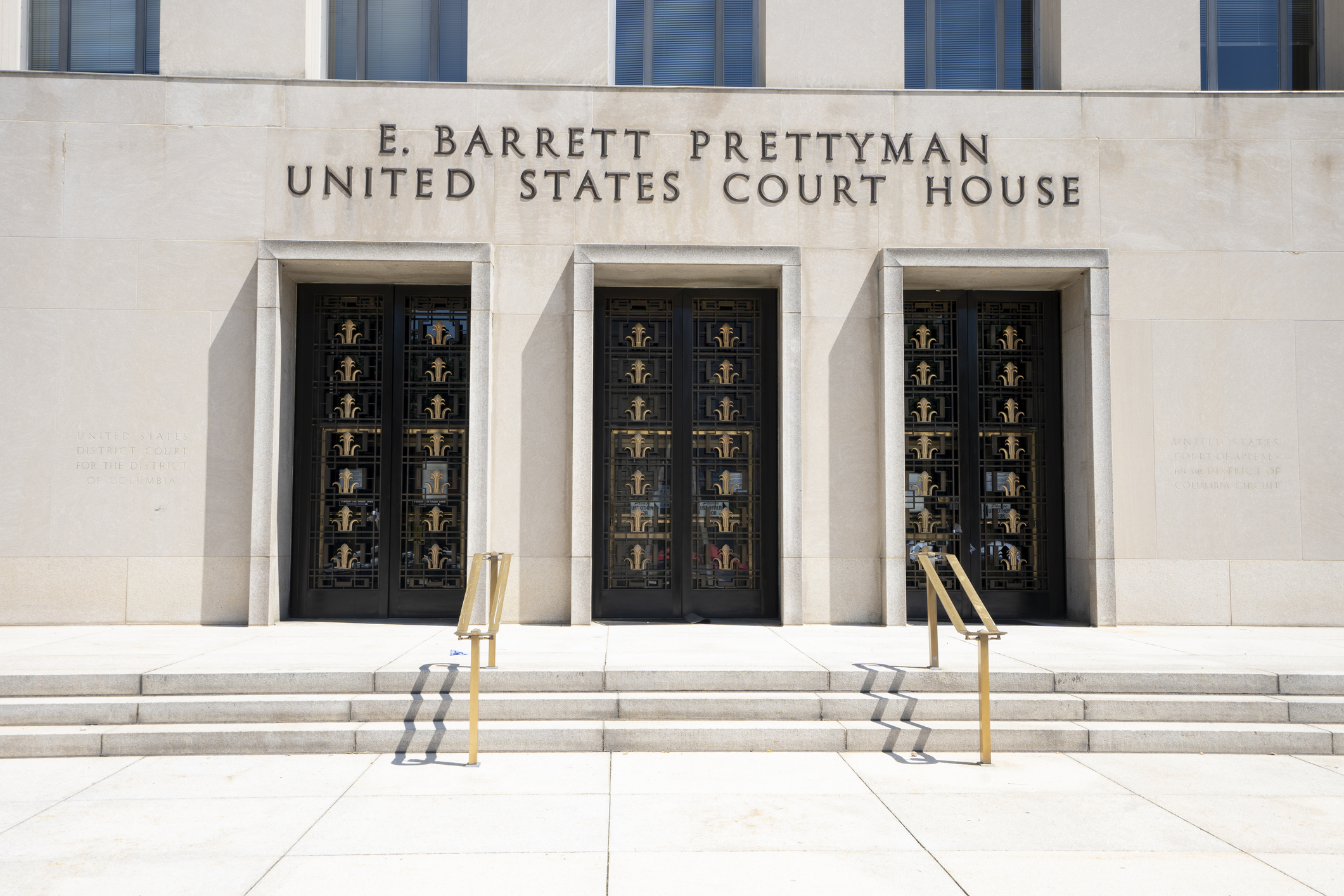
WASHINGTON, D.C.—Growth Energy, the nation’s largest biofuels trade association, filed a motion to intervene in support of the U.S. Environmental Protection Agency (EPA) today in the U.S. Court of Appeals for the District of Columbia Circuit in Center for Biological Diversity (CBD) v. EPA et al. (Case No. 26-1132).
In a set of eight consolidated cases, CBD and several other organizations, including oil refiners and the Sierra Club, are challenging EPA’s most recent “Set 2” rule for the 2026-2027 renewable volume obligations (RVOs) under the Renewable Fuel Standard (RFS).
Growth Energy CEO Emily Skor issued the following statement:
“Each new RVO rule draws the same misguided set of challenges every year, and this year likely will not be any different. Let’s lay out the facts.
“Under the Set 2, the RFS continues to work as Congress intended. EPA has again finalized RVOs that advance important energy security, environmental, and economic development goals. EPA has also again finalized RVOs that pose no real threat to the continued operation of small refineries.
“Despite all this evidence, we have special interests aiming to undermine the record-setting 2026-2027 RVOs to the detriment of farmers, consumers, and the environment. However, we know we stand on firmly established legal, political, and scientific grounds—the RFS saves consumers money, helps farmers, and reduces emissions. The newest RVOs are the strongest ever, and we’re confident the court will not allow challenges to stand in the way of the benefits they can deliver to drivers, rural communities, and biofuel producers.”
Read the motion to intervene here.
Background
On March 27, 2026, the Environmental Protection Agency (EPA) issued the Renewable Fuel Standard (RFS) “Set 2” Final Rule. After assessing six statutory factors relating to, among others, energy security, rural economic development, and environmental impacts, EPA established Renewable Volume Obligations (RVOs) for 2026 and 2027 at the largest levels in the nation’s history.
The EPA also finalized a 70 percent partial grant of exemptions from the 2023-2025 RVOs via the Small Refinery Exemption (SRE) program and reallocated exempt gallons toward the 2026 and 2027 RVOs. EPA also projected future SRE exemptions from the 2026 and 2027 RVOs themselves and included those exempt gallons in its final RVO calculations. . EPA also issued a “may affect, not likely to affect” determination under the Endangered Species Act with respect to the potential impact of the Set 2 rule on endangered species and critical habitat, finding that such effects were extremely unlikely to occur.
EPA also finalized a proposal to remove renewable electricity as an eligible fuel under the RFS that could generate RIN credits (so-called “e-RINs”) based on its conclusion that renewable electricity did not meet the statutory definition of a renewable fuel. EPA proposed, but did not finalize, provisions aimed at boosting domestic biofuel production by limiting the ability of imported fuels and feedstocks to participate in the RFS.